

Spring Solar Maintenance: Getting Your System Ready for Summer Peak
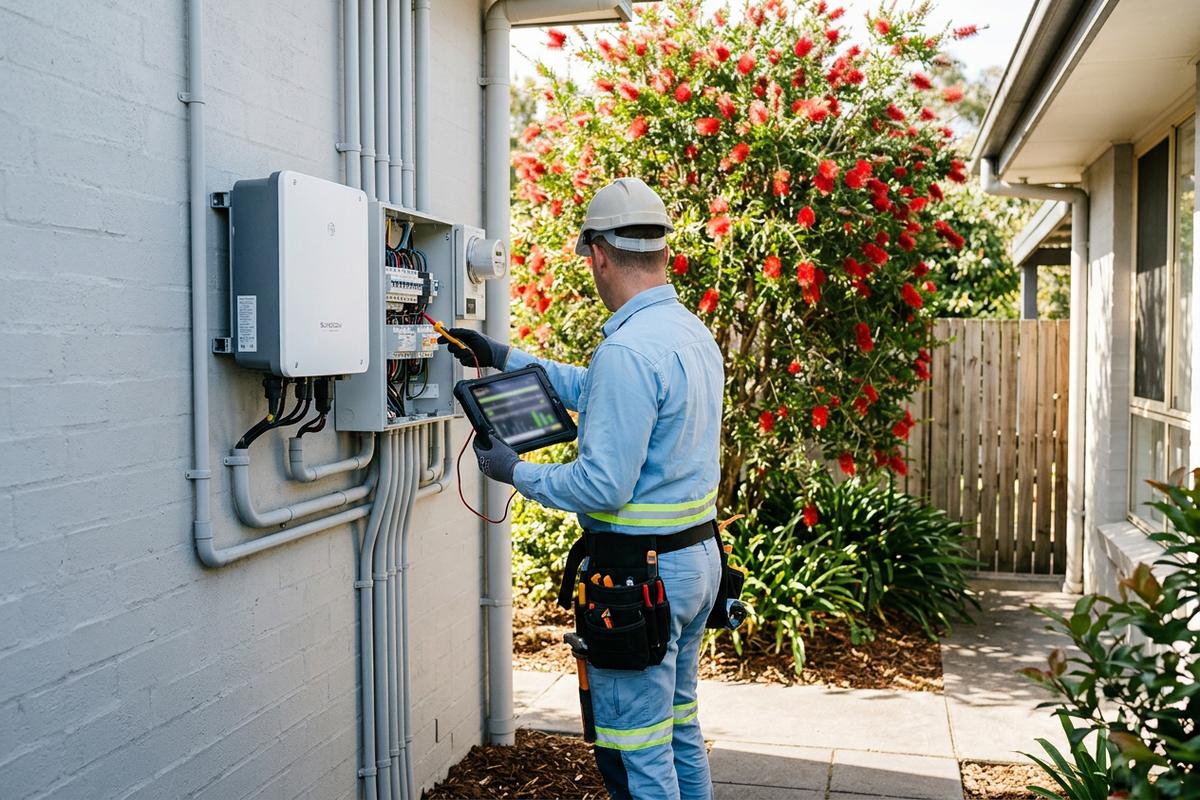
Coming out of winter, your solar system is about to enter its highest-output months. Late August through November is the production sweet spot on the Central Coast, clear days, climbing sun angle, lengthening daylight, and household consumption still moderate before summer aircon kicks in. The system that gets a quick check-up in early spring captures those peak months at full output. The system that doesn't can lose hundreds of kilowatt hours to issues that would have been easy fixes.
### Why spring is the right time for maintenance
A few reasons spring maintenance makes sense:
Winter accumulation. Winter brings wet weather, mossy roof conditions, and reduced sun (which means less self-cleaning of panels from heat-driven evaporation). Spring is when accumulated issues become most visible.
Pre-peak timing. Catching problems now means the system is at full output during the most productive months. Waiting until autumn means months of lost production.
Mild conditions for roof work. Spring temperatures are comfortable for installer access without summer heat stress on rooftop work. Trades availability is also typically better in spring than the lead-up to Christmas.
Storm prep. Late spring brings the start of the storm season. Loose mounting hardware, damaged seals, or vegetation issues are best caught before the first severe wind or hail event.
### The DIY spring check (15 minutes)
There's plenty homeowners can do without climbing on the roof:
1. Open the monitoring app and check the year-on-year comparison. For the past 3-6 months, compare production to the same months last year. Drops of more than 5-10% (after accounting for weather differences) are worth flagging to your installer.
2. Visually inspect the array from the ground. Walk around the house and look up at the panels. You're looking for: - Visible bird droppings concentrated on specific panels - Tree branches now touching or near the panels (winter growth) - Panel discoloration or visible damage - Wires hanging loose or visible damage to conduit - Anything stuck in or around the array (leaves, debris, nests)
3. Listen and look at the inverter. Check: - Status light indicates normal operation (not error mode) - No unusual buzzing, clicking, or noises beyond normal operation - The inverter display shows recent power generation - Ventilation grilles aren't blocked with spider webs or leaves - No water staining on the wall around the inverter
4. Check around the panels for nesting evidence. Look for: - Bird droppings on the ground or paths below the array - Feathers or nesting material on the ground - Bird activity around the panels at dawn or dusk - Holes in mesh (if mesh is installed)
5. Check the consumer mains and meter area. Look for: - Any moisture, staining, or damage to the meter box exterior - Switchboard area free of obstructions - DC isolator switch (next to the panels or near the inverter) clearly labelled and accessible
If anything from this list looks off, flag it for the installer to inspect.
### The professional spring check (1-2 hours)
A standard professional solar maintenance visit typically includes:
Physical inspection of the array. Installer accesses the roof and visually checks: - Mounting hardware tight and free of corrosion - Panel frames secure, no cracks or visible damage - Wiring runs intact, properly clipped, no UV damage to insulation - No water ingress at panel junction boxes - Bird mesh intact if installed (or noted as a recommendation if not) - Any soiling, sap, or droppings flagged for cleaning
Inverter inspection. Detailed check of: - Inverter status and recent performance data - Internal temperature within normal range - Cooling fans (if applicable) operating correctly - Display showing current and historical data - Firmware up to date
Electrical safety check. Includes: - DC isolator switch operational - AC isolator and main switch operational - Switchboard connections tight - No signs of arcing, discoloration, or heat damage at terminations
Performance data review. The installer pulls historical performance data and reviews: - Year-on-year output comparison - Specific string or panel underperformance - Any error codes or events logged by the inverter - Recommendations for system improvements or repairs
Documentation. A written maintenance report, useful for warranty records, insurance documentation, and your own ongoing records.
### When to schedule
Late August through early October is the ideal window on the Central Coast. By late August the weather is settling, sun angle is climbing back to productive levels, and storm season hasn't yet started. Booking in early avoids the November rush as homeowners realise their system has issues going into summer.
### Spring-specific issues to look for
Some problems are more common in spring than other seasons:
Pollen accumulation. Late winter and early spring can deposit significant pollen on panels, particularly in areas with wattle, jacaranda, or eucalypts. This isn't always cleared by rain.
Bird nesting activity. Spring is breeding season. If you have bird mesh, check it's still intact. If you don't, this is the season when nests get established under panels.
Storm damage from the previous winter. Any wind, hail, or severe weather over winter may have moved or damaged components. Inspection catches this before summer storms compound it.
Vegetation growth. Plants and trees grow rapidly in spring. Branches that didn't shade the array in autumn might now reach into the array.
Vermin damage. Possums and rodents are most active in spring. Chewed wiring or insulation can develop quickly.
### What spring maintenance shouldn't include
A few things that aren't part of routine maintenance:
- Aggressive cleaning when the panels aren't actually dirty. Cleaning a clean panel doesn't add value. - Replacing parts that are functioning normally. Some maintenance services upsell unnecessary upgrades. A standard residential system rarely needs panel replacement, inverter replacement, or major hardware swaps as part of routine maintenance. - Pressure washing. This damages seals, regardless of when it's done.
Routine maintenance should be lightweight, visual inspection, diagnostic data review, minor adjustments and cleaning if needed. Major work (replacements, upgrades, structural changes) is separate from maintenance.
### Frequently Asked Questions
#### How often should I have professional maintenance?
Most installers recommend professional inspection every 2-3 years for a typical residential system, with the homeowner doing simple monitoring app checks more frequently. Systems in harsher conditions (close to coast, near bushland, under trees) may benefit from annual inspections.
#### Is maintenance worth it if my system seems fine?
Yes, in the same way an annual car service is worth it. Small issues are easier and cheaper to fix early. A 5% performance loss across 6 months can cost more than the inspection itself.
#### Does maintenance void warranties or do I need to use the original installer?
You don't have to use the original installer, but maintenance work should be done by SAA accredited installers familiar with the equipment. Some panel and inverter warranties require documented professional inspection on a schedule, check your warranty terms.
#### What about cleaning during spring maintenance?
Cleaning is typically an additional service rather than part of routine maintenance. If panels are visibly dirty, cleaning is worth bundling with the inspection. If they're clean, skip it.
### Time for Your Solar Spring Check-Up in Erina?
Get a free, no-obligation system check from a local SAA accredited solar installer serving the Central Coast.
[Button, Insert Custom Code: "Chat With Our Team", href: https://solarerina.com.au]
Talk to a Local Central Coast Electrician
Get a free, no-obligation quote from a licensed electrician serving the Central Coast.