

Solar System Upgrades, Adding Capacity to an Existing System
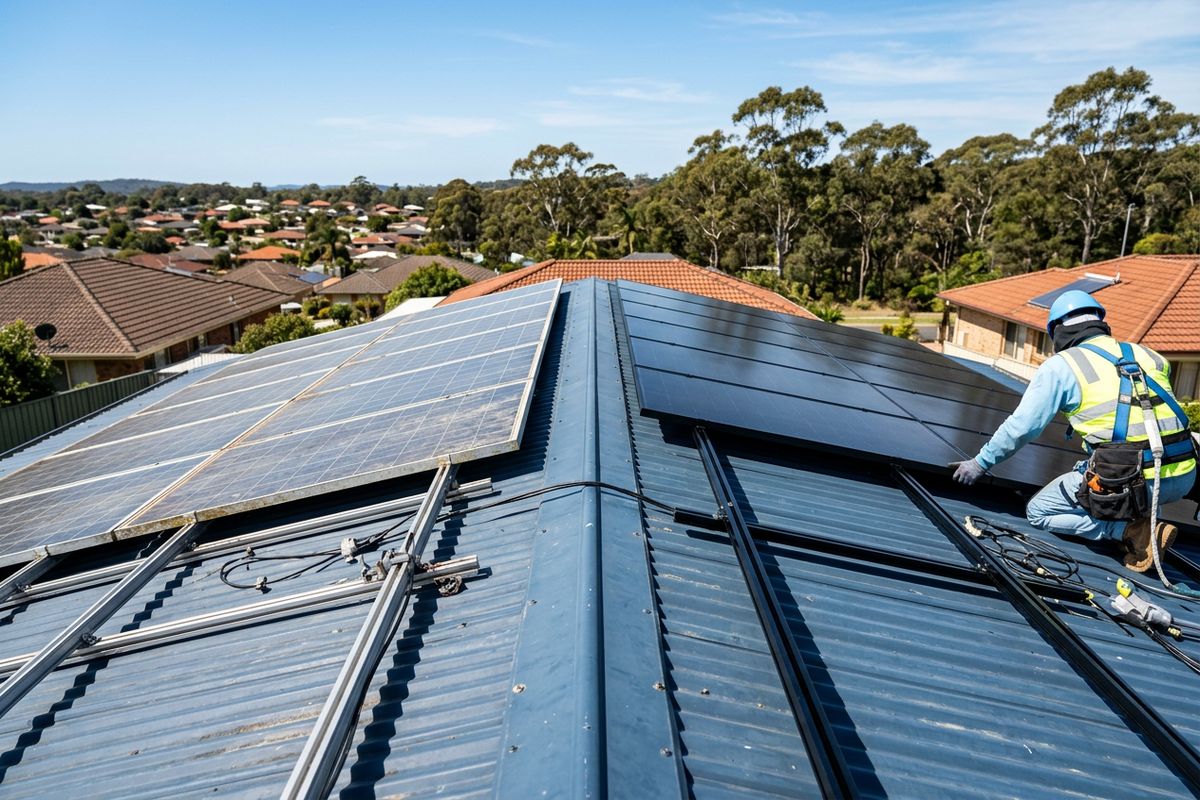
A solar system that was sized correctly four years ago may not be sized correctly today. Households change. Air conditioning gets used more often. An EV joins the driveway. The kids' bedrooms get split system air-cons. Suddenly the original five-kilowatt system that easily covered the home's needs is barely keeping up, and the import side of the electricity bill is creeping back into uncomfortable territory.
#### When a System Outgrows the Household
The first signal that your solar isn't keeping up is usually in the data, not the bill. Open your inverter's monitoring app or web portal and look at your import and export figures over the last twelve months. If your daily solar generation is similar to what it was when the system was installed, but your evening and overnight grid imports have grown substantially, the household has outgrown the system. Adding more solar capacity captures more of your daytime demand and reduces the grid imports.
The second signal is the gap between what your system could produce and what your roof could support. Many older Central Coast installations were sized conservatively because feed-in tariffs at the time made oversizing uneconomical. Today, with feed-in tariffs lower but grid prices higher, the economics have shifted toward self-consumption, and oversizing the system relative to immediate needs makes more sense, particularly if a battery or EV is on the horizon.
#### What Determines Whether You Can Expand
Three factors determine whether you can add capacity to an existing system: available roof space, your existing inverter's spare capacity, and the configuration of your existing array.
Roof space is the obvious one. If your original array used most of your usable roof, you may be limited to a different roof face (potentially with different orientation or shading) or to upgrading existing panels to higher-output models rather than adding more.
Inverter capacity is less obvious but often the binding constraint. Inverters are rated for a specific maximum solar input. If your existing inverter is already near its capacity, adding more panels doesn't help, the inverter clips the additional output and you don't see the benefit. Expansion in this case requires either replacing the inverter with a larger unit or adding a second inverter alongside the original.
Array configuration matters because solar arrays are wired in strings, and adding panels generally requires extending an existing string or adding a new string. Whether your existing wiring supports this depends on how it was originally configured.
#### Adding a Hybrid Inverter to a Non-Hybrid System
A common upgrade scenario isn't adding panels at all, it's converting a system from standard to hybrid in preparation for a battery. If your original solar install used a standard string inverter and you're now planning to add a battery, swapping the inverter to a hybrid model is one path. The alternative is AC coupling the battery (adding a separate battery inverter), but full hybrid conversion gives cleaner integration and one less component to maintain.
The decision between hybrid conversion versus AC coupling comes down to several factors: the age and remaining warranty of the existing inverter, the cost difference between hybrid conversion and AC-coupled battery, and your tolerance for adding a second inverter to your home. A good installer will walk you through both options with real numbers rather than defaulting to one approach.
#### Microinverter Conversions and System Optimisation
Some older Central Coast installations used string inverter setups that were straightforward at the time but limit performance on roofs with shading or multiple orientations. If your system has these issues, an upgrade option to consider is converting to microinverters or DC optimisers. Microinverters mount one per panel and allow each panel to operate independently, meaning shading on one panel doesn't drag down the output of the whole string.
This kind of upgrade is more expensive than simply adding panels, but for households with mixed roof orientations or shading from neighbouring trees that have grown over time, it can deliver significantly more annual output from the same panels. Your installer can model the expected gain based on your actual roof configuration.
#### STC Implications for Expansion
One thing worth knowing about upgrading: STC rebates apply to the new components you're installing, not to the existing system. If you're adding four kilowatts of panels and a new inverter, those new components qualify for STCs based on their capacity and the current zone-based STC values. The rebate reduces your upfront cost but is administered the same way as a new installation, your installer handles the paperwork and applies it to your quoted price.
If you're swapping your existing inverter, the new inverter generally qualifies for an STC rebate as part of an eligible upgrade. There are conditions and limitations on what qualifies, and these change over time, so confirm the current situation with your installer when getting a quote.
#### Frequently Asked Questions
Can I just add panels myself or use a different installer for the addition?
You'll need a licensed SAA-accredited installer for any expansion that affects the grid-connected system. While you could technically use a different installer than the original, using one with experience in expansions and access to your existing system's documentation usually delivers a smoother result.
Will adding panels void my original system warranty?
Done properly by an accredited installer, no. The new components carry their own warranties, and the original installer's workmanship warranty on the existing panels should not be affected by expansion. Make sure the expansion is documented and the original installer notified if your existing warranty terms require it.
How long does an upgrade installation take?
Adding panels to an existing array is typically faster than a new installation, one day for most jobs. Inverter swaps add additional time, often half a day to a full day depending on the configuration changes required. Your installer will confirm based on the specifics.
Is it worth upgrading or should I just start over with a new system?
For most homes, expanding the existing system is more cost-effective than replacing it entirely. Replacement only makes sense if the original system is genuinely failing, if the warranty has expired and significant components are at end of life, or if a complete redesign would deliver substantially better results.
#### Outgrowing Your Current Solar System?
Get a free, no-obligation site assessment from a local SAA accredited solar installer serving the Central Coast.
<div style="text-align: center; margin: 20px 0;"> <a href="https://solarerina.com.au" style="display: inline-block; background-color: #1e3a8a; color: #ffffff; padding: 14px 32px; text-decoration: none; font-weight: 600; font-size: 16px; border-radius: 6px; font-family: sans-serif;">Chat With Our Team</a> </div>
Talk to a Local Central Coast Electrician
Get a free, no-obligation quote from a licensed electrician serving the Central Coast.