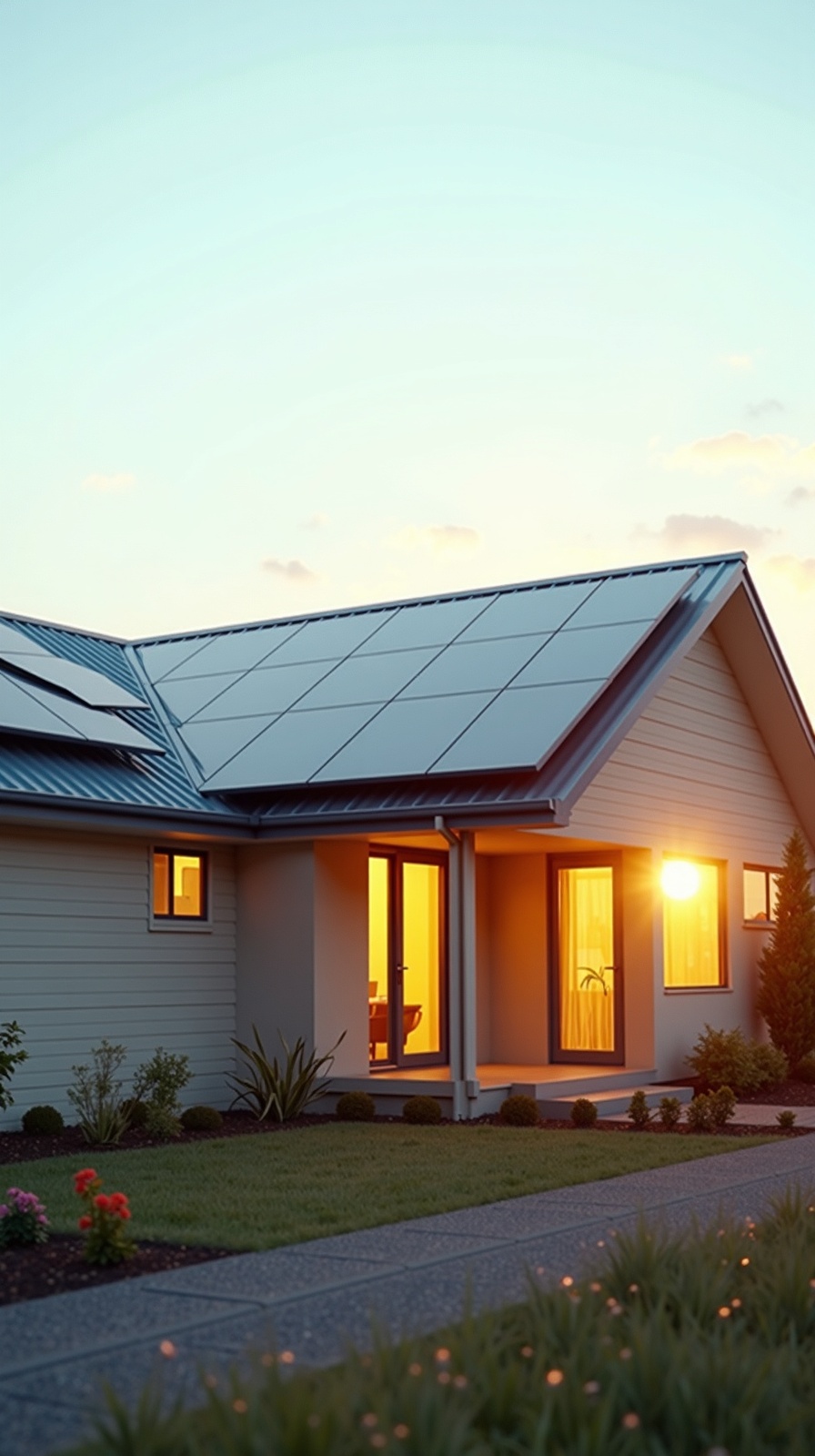

Tile, Metal, or Tin: Which Roof Type Works Best for Solar on Erina Homes?
Different roof materials change how solar gets installed, what it costs, and how long the install lasts. An Erina home with a tile roof, a Colorbond home in the same suburb, and an older tin-roofed cottage all start the solar conversation differently, and the homeowner who understands those differences walks into the quote process with much better questions. This is a working guide to how the three most common Australian residential roof types interact with rooftop solar.
### Tile roofs, most common, more careful work
A significant proportion of Erina homes have tile roofs, concrete, terracotta, or composite. They're widespread across NSW residential construction and they're entirely solar-compatible, but installation takes more care than metal or tin.
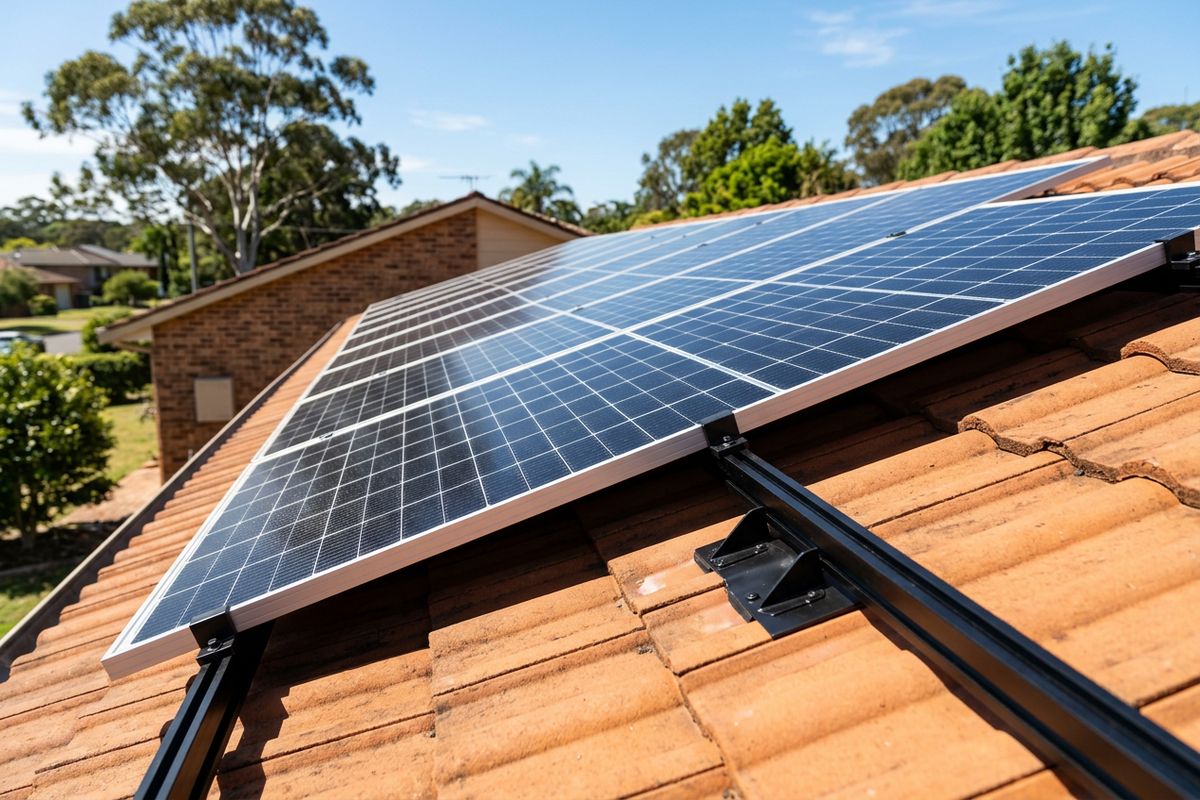
How solar mounts to tiles: Installers lift specific tiles to expose the roof battens, then fix mounting brackets directly to the structural timber. The brackets pass through replacement profiled flashings or specialised tile-replacement plates, which seal the penetration. Rails clamp to the brackets, panels clamp to the rails.
What goes well: - Plenty of installer experience, tile roofs are common, so most established installers have done hundreds of jobs on tile - Mounting hardware is mature and reliable - Roof aesthetics are largely preserved, the panels sit a small gap above the tile surface
What needs attention: - Older tiles can crack during installation if installers aren't careful. Cracked tiles must be replaced. - Some tile types (particularly very old terracotta) are brittle and chip easily. A pre-install inspection should identify this. - Tile-replacement flashings need to be the correct profile for your specific tile shape. Wrong flashings = leak risk. - Walking on tile roofs during install or maintenance requires care, installers should always step on the bottom edge of tiles, never the middle.
Lifespan considerations: A good tile roof can outlast a solar system, so the roof itself rarely needs replacement during the panels' lifetime. However, if your tile roof is already 30+ years old and showing wear, it's worth assessing whether the roof needs replacement before adding solar, removing and reinstalling solar to replace a roof underneath is expensive.
### Colorbond and modern metal roofs, fastest and cleanest install
Newer Erina homes (and re-roofed older homes) often have Colorbond or similar profiled metal sheeting. From a solar perspective, this is generally the best-case roof type.
How solar mounts to metal: Installers fix specialised clamps directly to the metal sheeting's raised ribs, no penetration of the roof surface needed. Rails clamp to the clamps, panels clamp to the rails. The whole process is fast, clean, and low-risk.
What goes well: - Zero roof penetrations means zero leak risk from the install - Installation is faster than tile (often a day shorter for the same array size) - Modern Colorbond has a long lifespan, often outlasting the solar system - The clamp system is universally compatible with major panel and rail brands
What needs attention: - The profile of the sheeting matters, installers need the correct clamp type for your specific profile (Trimdek, Custom Orb, Klip-Lok, etc.). Standard installers carry the common profiles. - Klip-Lok and similar concealed-fix profiles have specific clamp requirements that some installers may not stock, confirm this if your roof is one of these profiles. - Solar mounting on metal roofs benefits from being installed during a period when the roof is genuinely dry (avoid heavy rain forecasts on install day, particularly during the period when rail penetrations are being made for non-clamped fixings, if used).
Lifespan considerations: A Colorbond roof typically outlasts 25+ years and often longer in well-maintained installations. The combined lifespan of a Colorbond roof and a solar system is usually well-matched.
### Tin and older corrugated iron, case-by-case
Older Erina homes, particularly some of the heritage or post-war stock, may have original corrugated galvanised iron (often called "tin"). Solar can still be installed, but the conversation is different.
How solar mounts to old tin: Either via clamps similar to Colorbond (if the profile suits), or via penetrating tek screws through the iron into the underlying purlins, sealed with EPDM washers and silicone. The choice depends on the iron's condition and profile.
What goes well: - Penetrating fixings into purlins are mechanically very strong - Older tin roofs that are still in good condition can hold solar reliably for many years
What needs attention: - Roof age and condition. This is the central question. If the iron is 30+ years old and showing rust, fastener wear, or panel deflection, adding solar may bring forward the need to re-roof. And re-roofing under existing solar is expensive (remove panels, replace roof, refit panels). - Penetration sealing. Old tin doesn't always seal cleanly around new fixings. Quality installers use the right washers, sealants, and screw types, but the cost of getting this wrong is roof leaks. - Asbestos check. Some older iron roofs have asbestos-cement underlayment or eaves. This isn't a barrier to solar but does need to be flagged and handled by qualified people during install.
Lifespan considerations: Be realistic about whether your roof will outlast the solar system. If the answer is uncertain, get a roofer's opinion before signing the solar contract. Some homeowners choose to re-roof first (to Colorbond) and then install solar, a higher upfront cost but a single clean install.
### When the answer is "replace the roof first"
A small number of solar quotes turn into roof-replacement-first conversations. The signs:
- Tile roofs with multiple cracked tiles already, indicating weathering or settling - Metal or tin roofs with active rust, particularly on flashings or near gutters - Any roof with active leaks or staining inside the ceiling cavity - Roofs visibly sagging or with structural concerns
A good solar installer will flag these concerns before quoting the panels. If the installer doesn't raise the question and your roof looks tired, get an independent roofer's opinion first.
### Other roof considerations beyond material
- Roof orientation. North-facing is ideal in Australia, but east and west-facing roofs are both viable, particularly with modern panels and inverters. South-facing is the weakest option but not always disqualifying. - Pitch. Anywhere from 10° to 30° works well. Flatter roofs can use tilt frames; very steep roofs may need access scaffolding (which adds to install cost). - Shading. Trees, neighbouring buildings, chimneys, and skylights all affect panel placement. A good site assessment maps shading at multiple times of day. - Roof age, not just type. A new tile roof beats an old metal roof for solar suitability. Age and condition matter as much as material.
### Frequently Asked Questions
#### Does roof type affect solar warranty?
The solar panel and inverter warranties don't depend on roof type. However, some installer workmanship warranties may exclude pre-existing roof issues, meaning if your roof leaks where solar wasn't installed, that's not the installer's problem, but if the leak is at a solar penetration, it usually is.
#### Can solar be installed on a flat roof?
Yes. Flat roofs use tilt frames to angle the panels north (in Australia) at the optimal pitch. The frames are anchored to ballasted mounting blocks or fixed to roof structure, depending on the roof type. The system itself works the same way as a pitched roof install.
#### What if my roof needs replacing in 10 years, should I wait to install solar?
If the roof genuinely needs replacement within a year or two, replacing it first usually makes sense. If it's 10+ years out, installing solar now and budgeting for a future "remove-reinstall" job during re-roofing is often the better total return, you capture 10 years of solar savings rather than waiting.
#### Do solar panels protect the roof underneath?
Somewhat. Panels shield the tiles or sheeting underneath from direct UV and weathering, which can extend the life of that portion of the roof. The benefit is real but modest, the panels themselves are the main investment, not roof protection.
### Wondering If Your Erina Roof Suits Solar?
Get a free, no-obligation site assessment from a local SAA accredited solar installer serving the Central Coast.
[Button, Insert Custom Code: "Chat With Our Team", href: https://solarerina.com.au]
Talk to a Local Central Coast Electrician
Get a free, no-obligation quote from a licensed electrician serving the Central Coast.