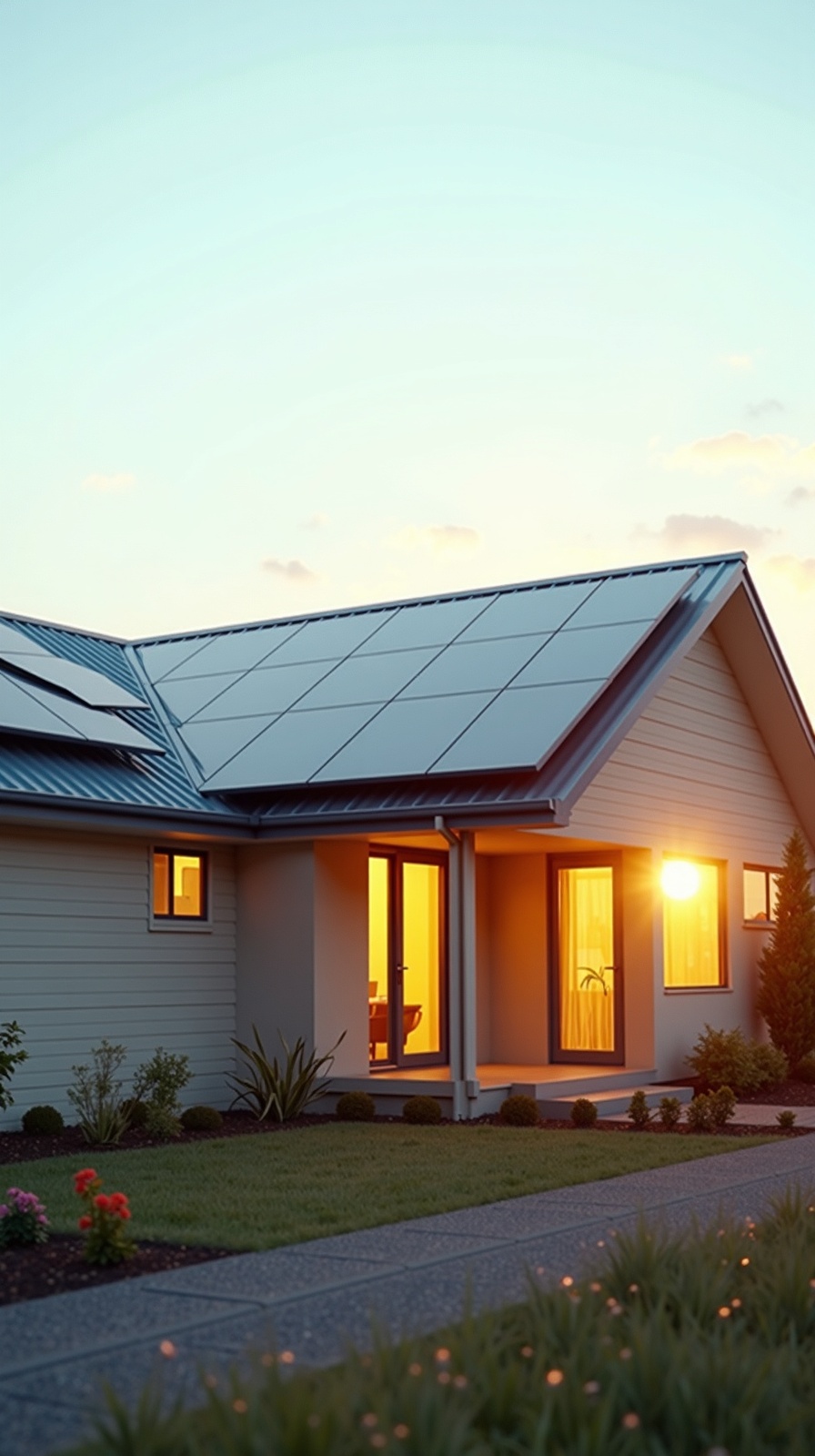

Solar Panel Installation in Erina, A Practical Guide for Central Coast Homeowners
A solar quote arrives in your inbox. Twelve panels. A specific inverter brand you've never heard of. A bottom-line figure with a confident-looking total. But there are five quotes in front of you, and they all look broadly similar, and you have no idea which one is genuinely the right system for your Erina home. That confusion is normal, and it's a sign that solar installation is more nuanced than the marketing usually suggests.
#### What a Good Site Assessment Actually Looks Like
The first real difference between a quality solar installation and a generic one happens before any panel touches your roof. It's the site assessment. A proper assessment for an Erina home goes well beyond measuring the roof and counting panels, it factors in roof orientation, shading from neighbouring trees and structures, the condition of your roof itself, the location and capacity of your switchboard, the routing options for DC cabling, and your actual electricity usage from real bills (not estimates).
For homes closer to the coast around Forresters Beach, Wamberal, and the eastern edge of Erina, a good assessor will also factor in salt-air exposure, prevailing wind directions, and whether the property sits in a designated bushfire zone that affects component selection. These local considerations matter more than the generic "north-facing roof = best output" advice that gets thrown around online.
#### Roof Types Around Erina and What They Mean for Solar
Erina has a real mix of housing stock. The older homes scattered through Erina Heights tend to have terracotta tile roofs, while newer builds and the developments around Erina Fair are predominantly Colorbond. Both work for solar, but the mounting systems and installation approach differ significantly.
Tile roofs require tile hooks that replace specific tiles and provide a weatherproof mounting point underneath. The hook anchors to the rafter below the tile, then the rail clamps to the hook. Done properly, the tile is replaced on top and the integrity of the roof is preserved. Done poorly, you get water ingress in five years' time and a warranty argument with the installer.
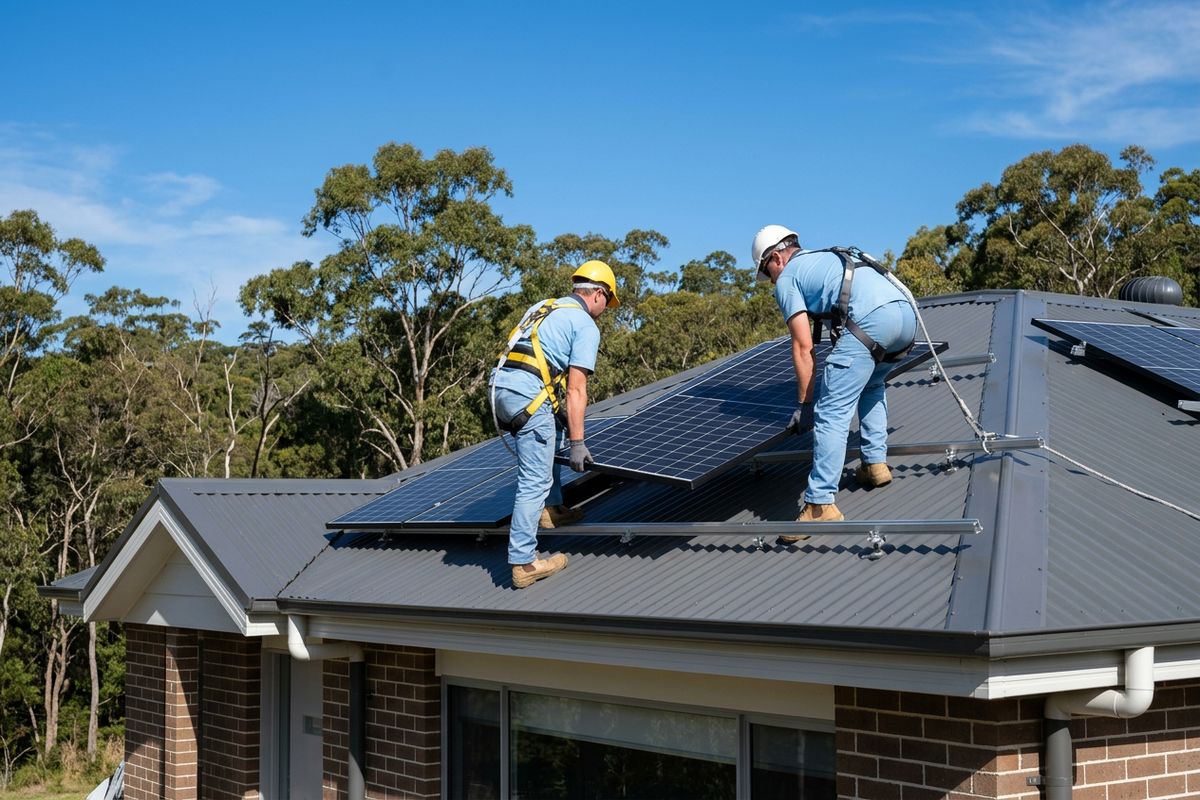
Metal roofs use clamp-style mounts that grip directly to the standing seam or trapezoidal rib. These are faster to install and have fewer failure points, which is one reason newer Erina homes can often get solar installed slightly faster and with less risk.
#### The Difference SAA Accreditation Now Makes
Solar accreditation in Australia changed in May 2024 when the Clean Energy Regulator transferred installer accreditation from the Clean Energy Council (CEC) to Solar Accreditation Australia (SAA). For solar installations in NSW today, the installer must hold current SAA accreditation in the relevant categories, GCPV (grid-connected photovoltaic) for standard rooftop solar, and additional categories for batteries and stand-alone systems.
Many homeowners and even some marketing materials still reference CEC accreditation. The CEC still oversees product approvals (the panels and inverters themselves must be on the CEC-approved product list), but installers and designers are now accredited through SAA. When verifying an installer, ask for their SAA accreditation number and check it against the SAA register. Without current SAA accreditation, you can't access the STC rebate and your system may not meet the requirements for grid connection.
#### What's Actually in Your Quote
Comparing quotes side by side is where homeowners often get stuck. Two quotes for "12 panels and an inverter" can vary by thousands of dollars, and the reasons aren't always obvious. The panel brand and tier matters, quality panels from brands like Trina Solar carry longer product and performance warranties than budget alternatives. The inverter matters even more, because the inverter is what's most likely to need replacement during the system's lifespan. A premium inverter from a brand like Fronius or Sungrow with strong local support is worth the difference over an unknown budget option.
Beyond the components, a complete quote should include the mounting system specification, cable lengths and ratings, any switchboard work required, grid connection paperwork, STC rebate handling, and the workmanship warranty. Quotes that bury these details or skip them entirely are usually quotes that cut corners on the install.
#### Why a Hybrid Inverter Is Worth Considering Up Front
Even if you're not planning to add a battery right now, specifying a hybrid inverter at the time of your solar install opens up future upgrades without expensive retrofitting. A hybrid inverter accepts both solar input and battery input, meaning when you eventually decide to add storage (or your circumstances change and you want backup power), it's a relatively straightforward addition.
A standard string inverter doesn't have this flexibility. To add a battery later, you'll either need to replace the inverter entirely or add a separate battery inverter alongside it (AC coupling). Both options work but cost more than getting it right at the first install. The premium for a hybrid inverter upfront is modest compared to the cost of replacing or supplementing later.
#### Frequently Asked Questions
Will solar panels void my home's roof warranty?
A properly installed solar system using the correct mounting hardware for your roof type should not void any current roof warranty. Quality installers carry the appropriate insurances and workmanship guarantees that cover the roof penetrations and any potential issues. The risk comes from poor installation, not solar generally.
What if my roof needs repairs before the install?
A good installer will inspect the roof during the site assessment and flag any issues that need addressing first. It's far cheaper to fix tile cracks, replace damaged ridge capping, or address fascia rot before panels go on top than to deal with it afterwards. Plan to have roof issues sorted before the install date.
How disruptive is the installation day?
Most residential solar installs take one to two days on site. The power will be off for a few hours during the inverter connection and final commissioning, but the rest of the work (mounting panels, running cables) doesn't usually require power-off. Your installer will give you a specific timeline ahead of the install day.
Do I need to be home during the installation?
Not for the whole job, but you should be available at the start to confirm panel layout and at the end to walk through the system and the monitoring app. If you're not home, agree on layout and access in advance so the installers can work without delays.
#### Looking to Switch to Solar in Erina?
Get a free, no-obligation site assessment from a local SAA accredited solar installer serving the Central Coast.
<div style="text-align: center; margin: 20px 0;"> <a href="https://solarerina.com.au" style="display: inline-block; background-color: #1e3a8a; color: #ffffff; padding: 14px 32px; text-decoration: none; font-weight: 600; font-size: 16px; border-radius: 6px; font-family: sans-serif;">Chat With Our Team</a> </div>
Talk to a Local Central Coast Electrician
Get a free, no-obligation quote from a licensed electrician serving the Central Coast.