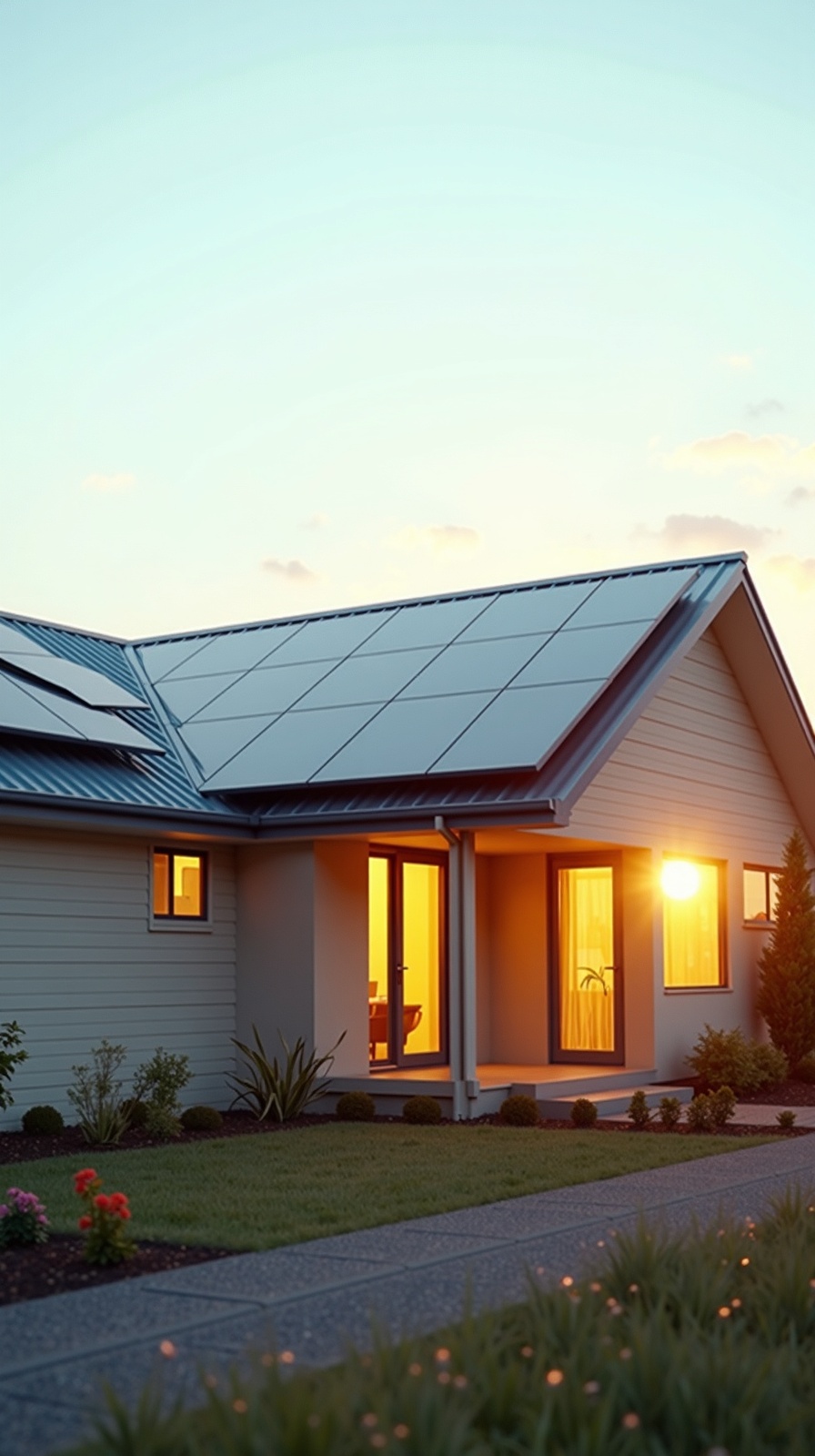

Solar Maintenance and Health Checks, Keeping Your System at Peak Output
A solar system isn't a set-and-forget appliance. It's a working piece of electrical equipment producing thousands of kilowatt-hours per year, exposed to weather, temperature cycling, salt air, dust, and the occasional storm. Most systems run for years without obvious problems and then quietly start under-performing, losing a few percent of output here, a circuit dropping out there, a string going partial without anyone noticing. A regular health check catches these issues before they become significant losses.
#### What a Solar Health Check Actually Measures
A proper solar health check is more than a visual inspection. It typically covers four broad areas: physical condition of the array, electrical performance of each string and the inverter, system communications and monitoring, and compliance with current safety standards.
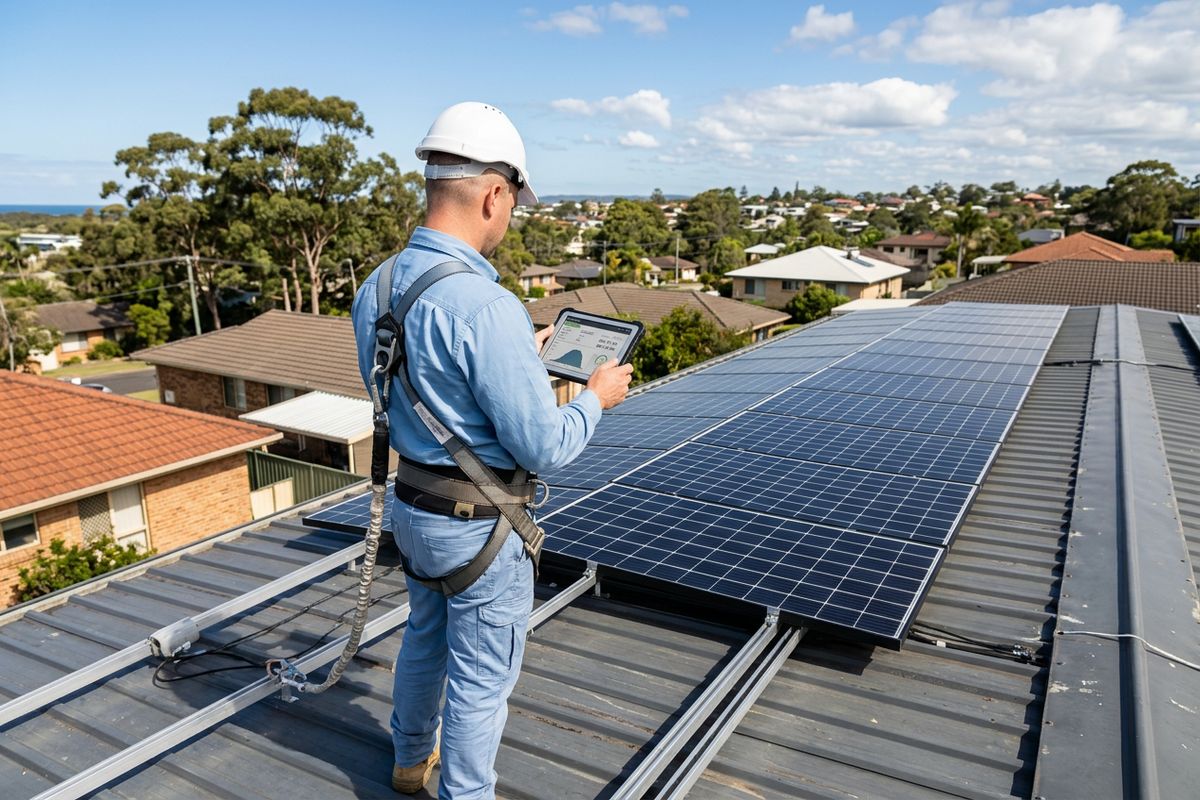
The physical inspection checks the panels for visible damage (cracking, delamination, hot spots), the mounting hardware for corrosion or loosening, the cabling for UV damage or rodent damage, and the DC isolators and combiner boxes for water ingress or corrosion. On coastal Central Coast properties, anywhere east of Avoca Drive, the salt-air component of this inspection matters more than people realise. Components that look fine from the ground can have hidden corrosion that's reducing performance or creating safety risk.
The electrical testing measures string voltage, current, and insulation resistance. Each string in the array should be producing within the expected range given current weather conditions. A string that's producing significantly less than its peers indicates a problem, a failing panel, a connector issue, or shading that wasn't there at installation. The inverter is checked for error logs, capacity, and operating temperature under load.
System monitoring is checked to confirm the homeowner is actually receiving the data they should be, including alerts for low generation, faults, or shutdowns. Many systems silently lose their internet connection or get unbound from monitoring apps over time, leaving the owner blind to performance issues.
The compliance check verifies the system still meets current safety standards. Standards evolve over time, labelling requirements, isolator specifications, signage rules, and systems installed years ago may no longer fully comply. While there's generally no requirement to retrofit existing systems to current standards, knowing where they sit is useful.
#### Why Performance Drops Happen Quietly
Solar systems don't usually fail dramatically, they degrade. The most common pattern is gradual output decline that's small enough to be invisible to a homeowner watching their bill. A system producing five percent less than it should might cost the household a few hundred dollars per year in additional grid imports. Multiplied over the warranty period, that's a significant loss compared to a system that's properly maintained.
The causes of unexplained output decline are usually one of a handful of things. Soiling, dust, pollen, bird droppings, reducing the light hitting the panels. Shading that wasn't there at installation, often from tree growth over years. Component drift, connectors developing high resistance, isolators corroding, individual panels degrading faster than their peers. Inverter ageing, capacitors losing capacitance, switching components running less efficiently. Most of these are findable and fixable during a routine health check.
#### Cleaning, When It Helps and When It Doesn't
Cleaning is the most over-marketed solar maintenance service. For most Central Coast residential systems, regular Central Coast rainfall keeps panels clean enough to perform at near-optimal output. Professional cleaning services that show up offering to clean any system are often selling a service the system doesn't need.
The exception is systems with specific soiling problems: panels under heavy tree cover that accumulate sap and pollen, panels near busy roads picking up brake dust and exhaust deposits, panels with persistent bird-perching issues, or panels in dust-prone rural locations. In these cases, professional cleaning makes a measurable performance difference.
Self-cleaning is possible but carries risks. Never walk on panels, they're not designed to take foot load and can crack invisibly. Never hose panels in hot weather, thermal shock can damage glass. If you can't reach panels with a soft brush from a safe ground-level position, leave the cleaning to a professional with proper equipment and safety procedures.
#### Monitoring App Hygiene
One of the simplest and most overlooked maintenance items is keeping your monitoring app working. Solar systems are connected to the internet via your home WiFi, and that connection drops more often than people realise, router replacements, password changes, WiFi name changes, network upgrades. Once the inverter loses its connection, the monitoring data stops flowing and any system alerts stop reaching you.
A quick monthly check that your monitoring app is showing recent data is the cheapest form of maintenance you can do. If the data is more than a day old, reconnect the inverter to your network. If you can't easily fix it, your installer can.
#### The Annual Inspection Value Proposition
For most Central Coast residential solar systems, an annual professional health check costs a modest amount and frequently identifies issues that, addressed early, save significantly more than the inspection costs. For systems more than five years old, the value-to-cost ratio of regular inspections improves further, by year ten, the chances of finding an issue that needs attention are high.
Some installers offer maintenance contracts that bundle annual inspections with priority response for any issues. These contracts can be worthwhile for households who want a single point of contact and predictable maintenance costs, but they're not essential, booking an inspection annually with any SAA accredited installer achieves the same outcome.
#### Frequently Asked Questions
How often should my solar system be inspected?
Annually for most residential systems, more frequently for commercial systems or systems in challenging environments (heavy salt air, frequent storms, heavy soiling exposure). Some installations have specific manufacturer recommendations, check your panel and inverter warranty terms.
Can I do my own basic maintenance?
Yes, within limits. Monthly checks of your monitoring app, periodic visual inspection from ground level (looking for obvious damage or debris), and keeping the area around any ground-mounted equipment clear are all things you can do safely. Anything that requires roof access, electrical testing, or component handling should be done by a qualified installer.
What's the cost of a solar health check?
Professional health check pricing varies by system size, location, and what's included. Most installers can give you a quote for a standard residential inspection over the phone. The cost is usually a small fraction of what you'd lose annually from an unidentified performance issue.
Does the manufacturer's warranty require regular maintenance?
Some manufacturers require evidence of regular maintenance to maintain warranty coverage on specific components. Check the warranty terms for your panels, inverter, and battery (if applicable). Keep records of any inspections or service work done on the system.
#### When Did Your Solar System Last Get a Check-Up?
Get a free, no-obligation site assessment from a local SAA accredited solar installer serving the Central Coast.
<div style="text-align: center; margin: 20px 0;"> <a href="https://solarerina.com.au" style="display: inline-block; background-color: #1e3a8a; color: #ffffff; padding: 14px 32px; text-decoration: none; font-weight: 600; font-size: 16px; border-radius: 6px; font-family: sans-serif;">Chat With Our Team</a> </div>
Talk to a Local Central Coast Electrician
Get a free, no-obligation quote from a licensed electrician serving the Central Coast.