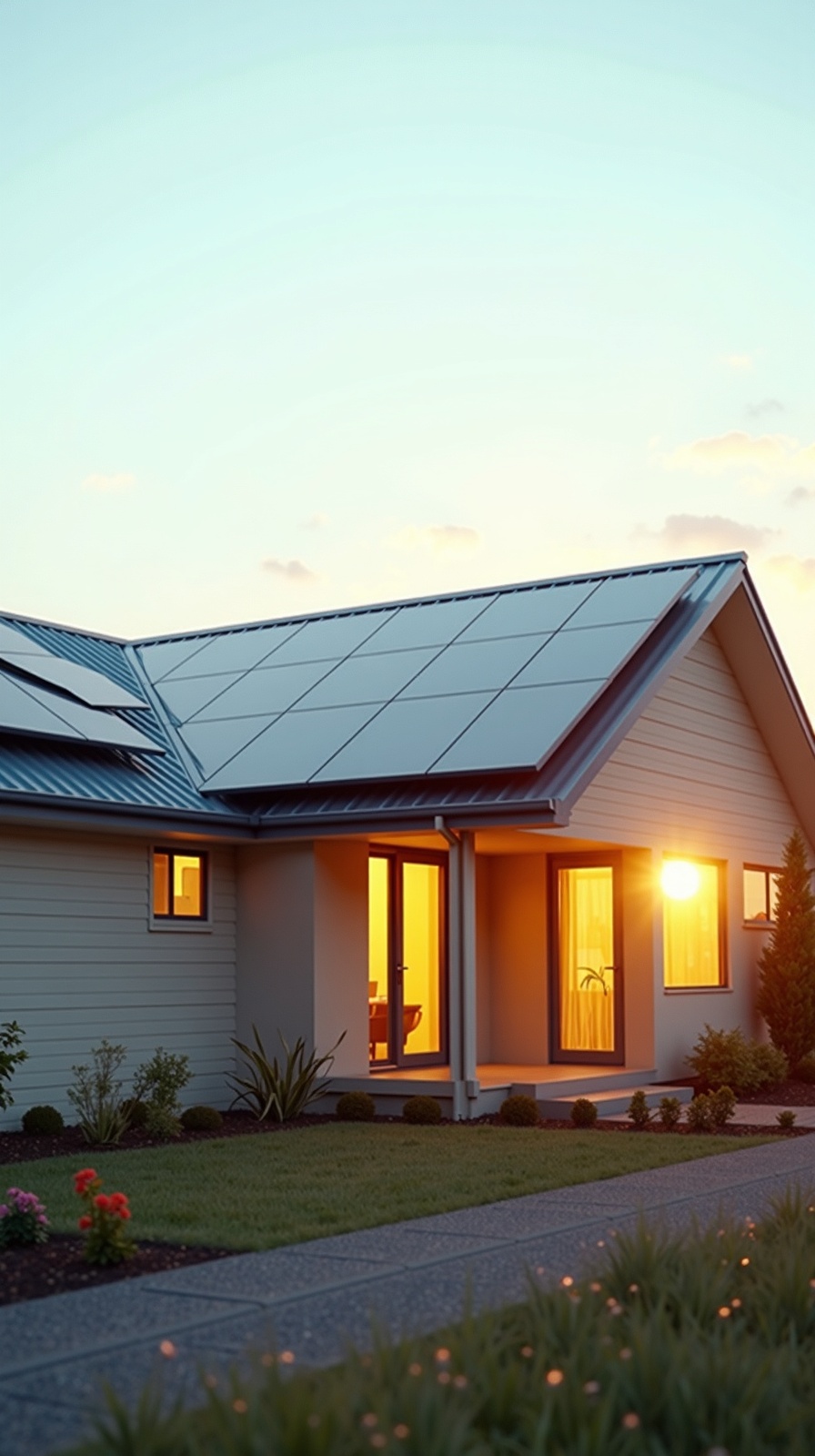

EV Charger Installation in Erina, Charging From Your Solar System
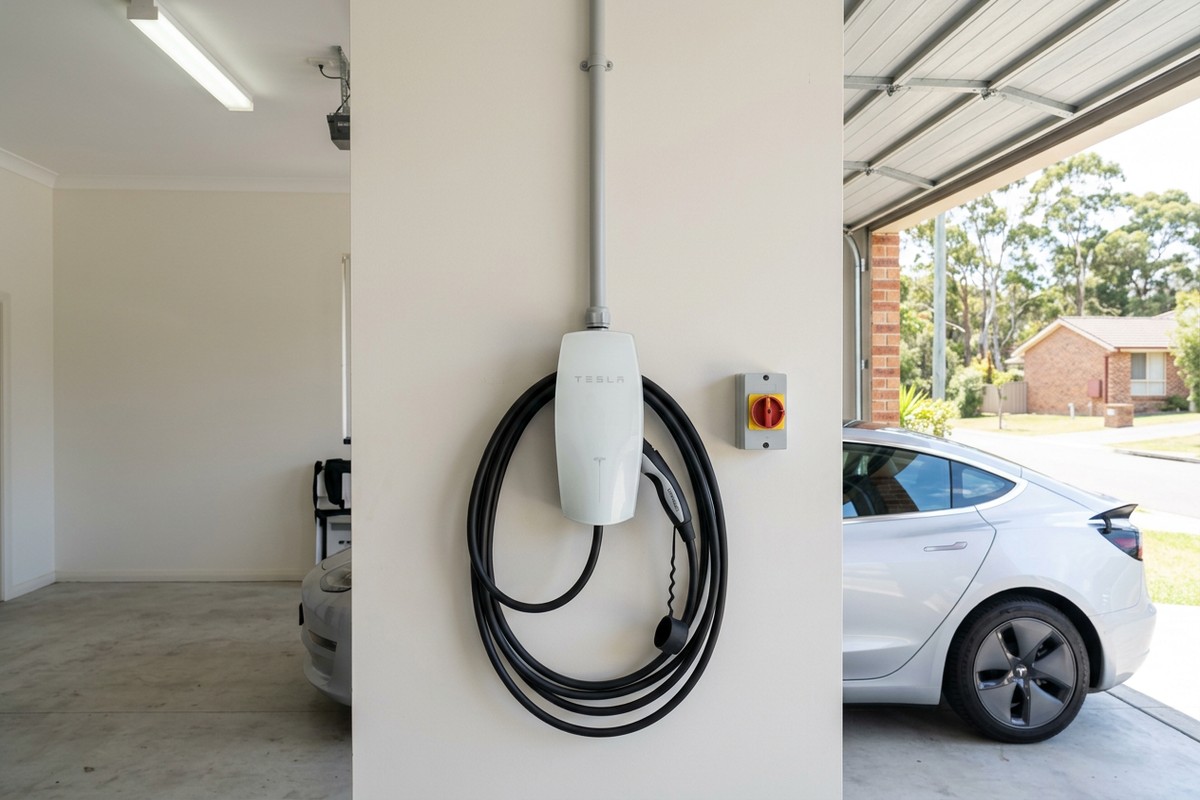
Why pay for fuel when your roof can power your daily commute? For Central Coast households running an EV, the combination of rooftop solar and a properly configured home charger gets close to free transport during the months when solar generation is strong. The savings only materialise, though, when the installation is done right, meaning the charger is sized correctly, integrated with the existing solar system, and configured to prioritise self-generated energy over grid imports.
#### The Solar-EV Pairing Sweet Spot
A standard household solar system generating five to ten kilowatts on a clear Erina day produces far more electricity in the middle of the day than a typical household consumes. Without an EV or a battery, most of that surplus is exported to the grid at a feed-in tariff that's a fraction of the cost of buying grid electricity back at night. Adding an EV charger that can schedule itself to operate during peak solar hours flips this dynamic, instead of exporting cheap and importing expensive, you're storing the surplus directly in your car's battery and avoiding the worst of the grid tariff differential.
This is where smart EV chargers earn their price premium. A basic charger is essentially a high-current outlet that switches on when the car plugs in. A smart charger can monitor your solar generation in real time and modulate its charging rate to match the available solar surplus, drawing only what your panels are producing and avoiding any draw from the grid.
#### How a Solar-Aware Charger Actually Works
Solar-aware EV chargers like the Fronius Wattpilot or Tesla Wall Connector (with appropriate solar integration) work by communicating with your solar inverter or a dedicated energy management device. The system continuously measures your home's net energy position, solar generation minus household consumption, and feeds the charger only what's left over after the rest of the house has been supplied.
In practice, this means the charger ramps its output up and down throughout the day based on what's available. Cloud passes over and household demand spikes when the kettle turns on, the charger backs off. Sun comes back and the dishwasher finishes, the charger ramps up again. The result is an EV that fills up almost entirely from solar energy that would otherwise have been exported, with minimal grid imports for charging.
The trade-off is that pure solar-only charging on cloudy days or shorter winter days means slower charging. Most chargers can be set to a hybrid mode where they prioritise solar but top up from the grid below a configurable threshold, useful if you need a guaranteed minimum daily charge regardless of weather.
#### Switchboard Capacity, The Common Bottleneck
The most common surprise during EV charger installations is the switchboard. EV chargers draw significant current, a typical 32-amp residential charger pulls around seven kilowatts when running flat out, which is comparable to a high-output ducted air conditioner. Many older Central Coast switchboards simply don't have the spare capacity to accommodate this load on top of the existing house circuits.
A thorough installer will inspect your switchboard during the site visit and identify whether it can handle the addition. If your board still has ceramic fuses or hasn't been upgraded since the home was built, expect the EV charger installation to require a switchboard upgrade as a prerequisite. This isn't optional, it's a safety and compliance requirement. The good news is that an upgrade also future-proofs your home for a battery, additional air conditioning, or a second EV charger down the track.
#### Three-Phase vs Single-Phase and What It Means for Charge Speed
Most Australian homes have single-phase power, and most home EV chargers are single-phase units delivering up to about seven kilowatts. This charge rate is sufficient to fully charge most EVs overnight, the typical car's battery refills in eight to ten hours from a depleted state, and most daily commute charging is far less demanding than a full refill.
Homes with three-phase power can install three-phase chargers delivering up to twenty-two kilowatts. This roughly triples the charge rate but is genuinely useful only in specific cases: households with multiple EVs sharing a single charger, homes used for short stays with limited overnight charging windows, or properties wanting to maximise charge from a large solar array during a narrow daylight window. For most single-EV households, the single-phase seven-kilowatt option is more than sufficient and significantly cheaper to install.
#### The Permit Process and Grid Connection
EV charger installations in NSW require notification to your energy distributor, for the Central Coast, that's typically Ausgrid. The distributor needs to confirm your home's incoming supply can handle the additional load, particularly for three-phase or higher-rated chargers. Your installer manages this paperwork as part of the installation. The process is generally straightforward but can take a week or two depending on current application volumes.
If your home is on a load-managed grid arrangement (some streets in older Erina suburbs have these limitations), the distributor may require a load management device that prevents the EV charger from operating at peak grid demand times. Your installer should identify this during the site assessment.
#### Frequently Asked Questions
How much will solar EV charging actually save compared to petrol?
The honest answer depends on how much you drive, your existing electricity tariff, and how much of your charging happens from solar versus grid. For a typical Central Coast commuter doing fifteen thousand kilometres a year on a mid-sized EV, solar-supplied charging can deliver substantial fuel savings, often equivalent to the cost of the charger and installation within the first few years.
Can I install a charger now if I don't have solar yet?
Yes, chargers and solar are separate installations. Many Central Coast homeowners install solar first, then add the charger when an EV arrives. Others install the charger first if the EV comes before they're ready for solar. There's no required sequence, and you can always retrofit one to the other.
Will the charger work during a power outage if I have a battery?
Most home batteries are not sized to comfortably charge an EV during a blackout, the power demand of charging is too high to sustain alongside other essential loads on a typical home battery. If outage charging is important to you, this needs to be specifically engineered into the system with appropriate battery sizing.
Can one charger handle two EVs?
A single charger can charge two EVs by switching between them on a schedule, but it can only charge one at a time. For households with two EVs that both need overnight charging, either two chargers or a dual-output unit is the cleaner solution.
#### Planning Solar-Powered EV Charging in Erina?
Get a free, no-obligation site assessment from a local SAA accredited solar installer serving the Central Coast.
<div style="text-align: center; margin: 20px 0;"> <a href="https://solarerina.com.au" style="display: inline-block; background-color: #1e3a8a; color: #ffffff; padding: 14px 32px; text-decoration: none; font-weight: 600; font-size: 16px; border-radius: 6px; font-family: sans-serif;">Chat With Our Team</a> </div>
Talk to a Local Central Coast Electrician
Get a free, no-obligation quote from a licensed electrician serving the Central Coast.